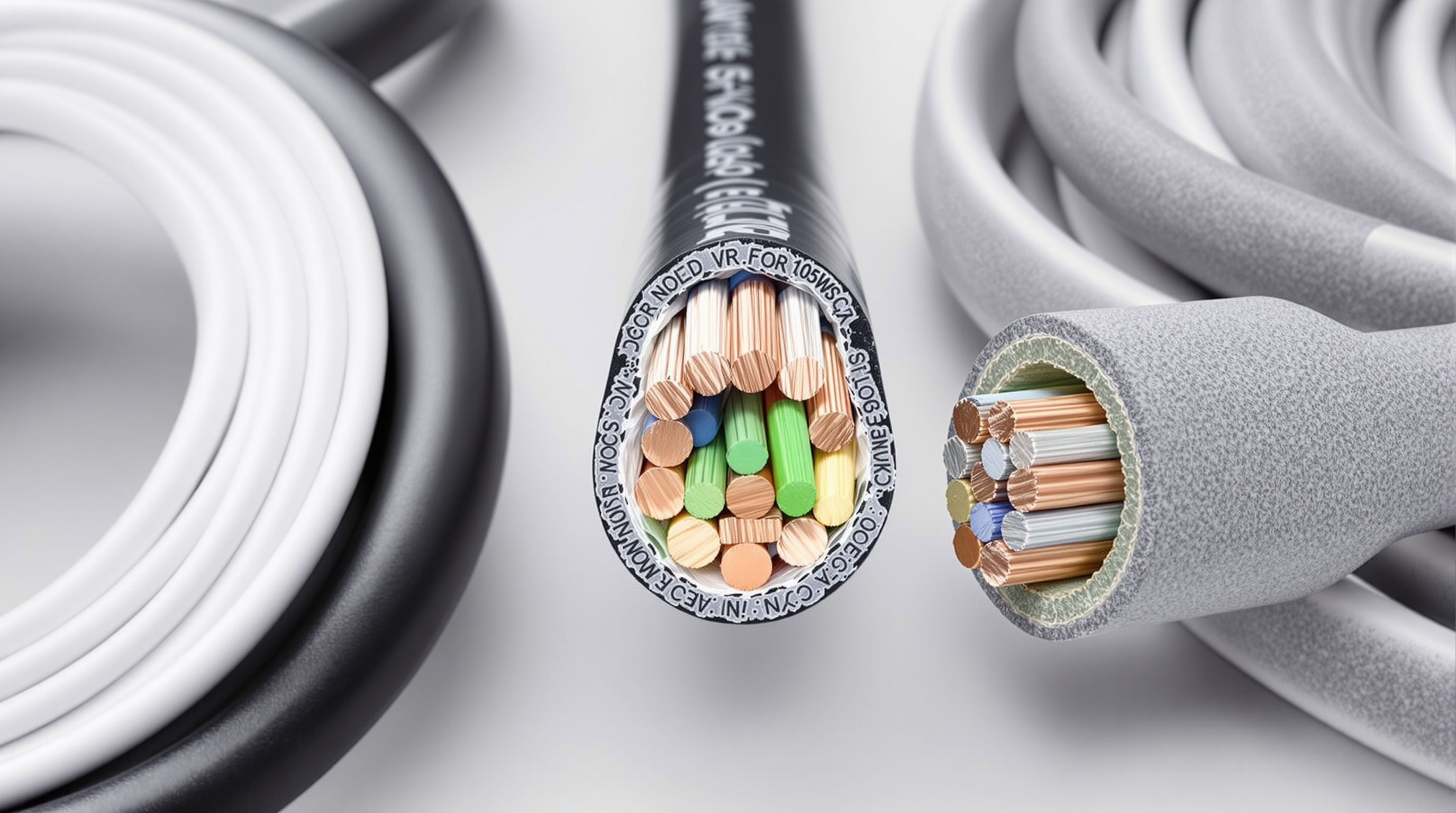
An extension cord can be considered both as a product and as part of a proposed connection. The useful questions are what characteristics the product has, what equipment it will supply and where it will run. The CPSC regulation addresses specified product characteristics; USFA guidance addresses household use. Keeping these questions separate makes a cord description easier to interpret.
What Makes an Extension Cord Compliant
The CPSC regulation at 16 CFR 1120.3(d) deems extension cords to be substantial product hazards under section 15(a)(2) of the CPSA if they lack one or more of its specified characteristics in conformance with the referenced UL 817 requirements. The CPSC list includes minimum wire size, sufficient strain relief, proper polarization and proper continuity. These are separate characteristics in the regulation, so a description of just one does not cover the entire list.
The CPSC provision also specifies outlet covers for indoor 2-wire parallel extension cords with polarized parallel-blade and -slot fittings, and a jacketed cord for outdoor-use extension cords. Those qualifications matter when reading the list: the cover and jacket entries each identify the cord category to which they refer. The CPSC provision incorporates particular UL 817 requirements; this summary identifies the listed characteristics rather than supplying a construction specification or a certification procedure.
Matching the Cord to the Load
For a proposed connection, put the equipment's stated load alongside the cord's stated rating. Keep the cord description, its rating and the equipment demand as separate pieces of information rather than treating a familiar plug shape as the whole specification. The cord types and wire gauge guide explains the vocabulary used to describe the flexible cord. It provides context for reading a cord description without assigning a single rating to every extension cord.
The CPSC rule's minimum-wire-size characteristic is one part of the product requirements. It does not supply a load-selection table in the listed provision. A general explanation of gauge should therefore be read alongside the particular cord's stated information, rather than turned into an assumed rating for an unidentified assembly.
Where Extension Cords Do Not Belong
USFA says to plug major appliances — refrigerators, stoves, washers and dryers — directly into a wall outlet and never to use an extension cord with them. USFA explains that the extension cord can overheat and start a fire. USFA also calls for replacing worn, old or damaged extension cords right away and avoiding places where cords can be damaged or pinched, including under carpets or rugs.
For workplaces, OSHA 1910.305(g)(1)(iv) prohibits flexible cords as a substitute for fixed wiring unless specifically permitted otherwise in paragraph (g)(1)(ii). The workplace flexible cord guide follows OSHA's permitted-use list and restrictions on routing. Product characteristics and the proposed use are different parts of the review; the construction description alone does not answer the routing question.
Power Strips and Multi-Outlet Devices
In its appliance and electrical fire-safety guidance, USFA says not to overload power strips and to use strips with internal overload protection. The number of available sockets is a different question from the combined equipment demand. An arrangement with an unused socket still needs to be considered in terms of the load connected to it.
USFA's outlet guidance also says not to overload outlets, to insert plugs fully and to replace wall outlets if plugs do not fit snugly. These points keep attention on the wall connection as well as the accessory. USFA's major-appliance guidance remains direct: those appliances belong in wall outlets rather than on extension cords.
The Fire Record
In its 2023 national estimates, USFA counted 23,700 residential building electrical malfunction fires, 305 deaths, 800 injuries and $1,501,600,000 in dollar loss. The USFA category is residential building electrical malfunction fires; those totals should not be read as an extension-cord-only count.
For 2014–2023, USFA reports a 2% increase in fires, a 19% decrease in deaths, a 2% increase in injuries and a 28% increase in dollar loss. USFA explains that its fire estimate summaries use National Fire Incident Reporting System data from incidents reported by local response agencies. The figures describe the broader fire problem, while USFA's household guidance supplies specific points about appliance connections, cord condition, routing and power-strip use.